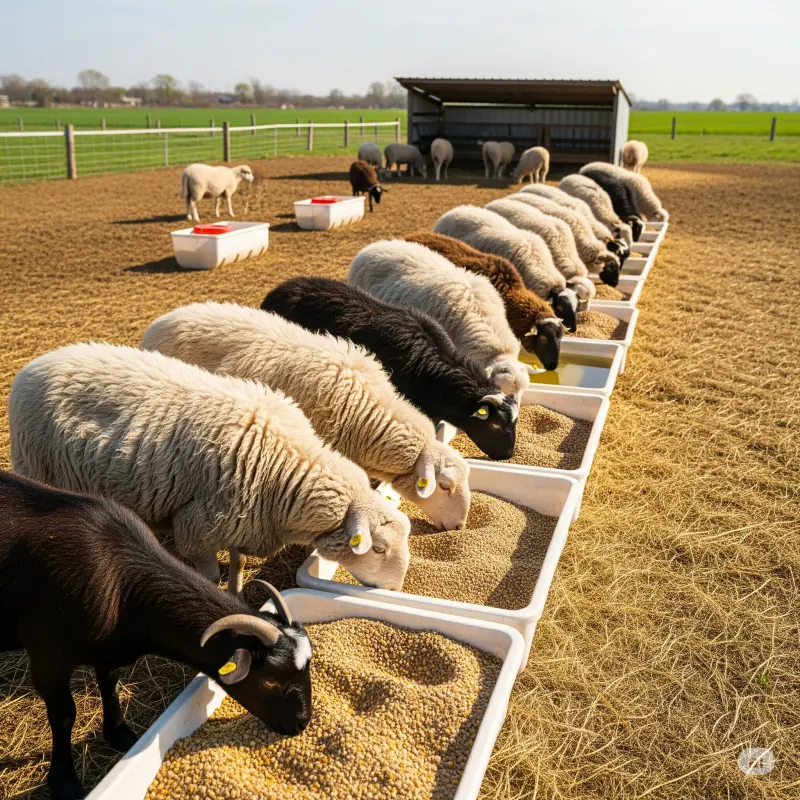
Soy-Free Feed Formulations: Alternative Protein Sources and Sustainable Approaches
While soybeans are an important protein source in animal husbandry, interest in soy-free feed formulations is growing due to costs, availability, or allergies. This blog post details alternative protein sources that can replace soy and strategies for preparing soy-free rations.

Soy-Free Feed Formulations: Alternative Protein Sources and Sustainable Approaches
---In animal husbandry, soybeans have been an indispensable protein source for many years due to their high protein content and balanced amino acid profile. However, in recent years, interest in soy-free feed formulations has been increasing due to reasons such as **cost fluctuations, supply chain security, GMO (Genetically Modified Organism) concerns, environmental sustainability concerns, and potential allergenicity in some animal species**. So, can we meet our animals' nutritional needs and maintain their productivity without soy? The answer is yes! Here are alternative protein sources that can be used in soy-free feed formulations and what to consider.
Why is There a Need for Soy-Free Feed Formulations?
Although soy is a highly nutritious raw material, certain disadvantages are driving the search for soy-free alternatives:
- Cost and Price Fluctuations: Soy prices can fluctuate significantly due to global markets and climatic conditions, directly impacting feed costs.
- Supply Chain Security: The concentration of soy production in specific regions can increase the risk of disruptions in the supply chain.
- GMO Concerns and Consumer Preferences: Especially in Europe and some niche markets, there is consumer sensitivity against the use of GMO soy. Demand for "GMO-free" or "soy-free" products is increasing.
- Environmental Footprint: Environmental concerns about soy farming, particularly its role in deforestation in South America, encourage a shift towards sustainable alternatives.
- Allergenicity/Sensitivity: Sensitivity or allergic reactions to soy protein can occur, especially in young animals (e.g., calves or chicks).
Alternative Protein Sources to Replace Soy
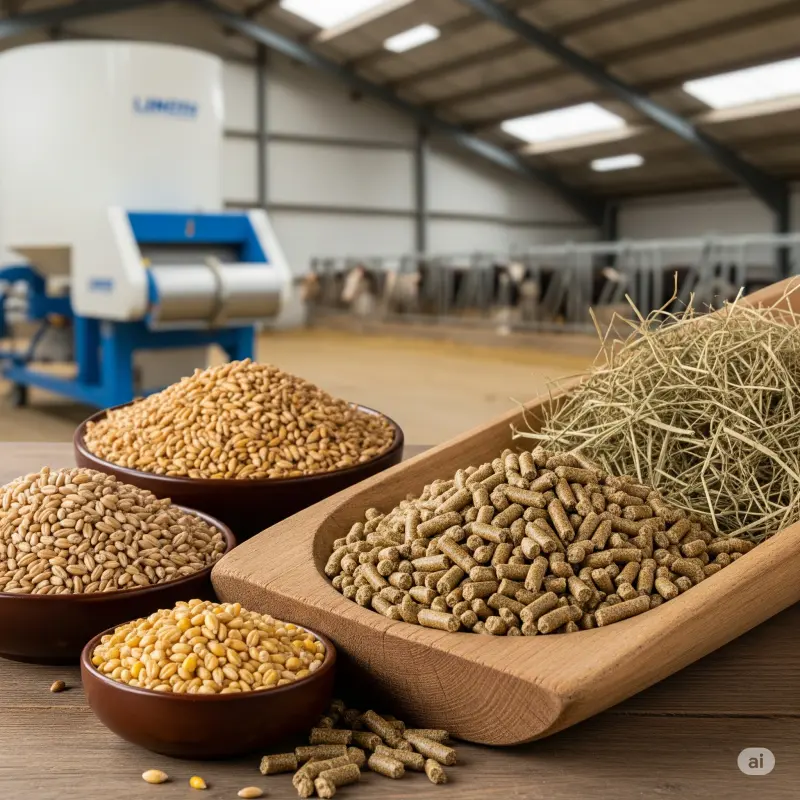
Many different protein sources can be used instead of soy. However, the amino acid profiles, digestibility, and anti-nutritional factors of these alternatives may not be as balanced as soy. Therefore, careful consideration is required in ration formulation.
1. Plant-Based Protein Sources
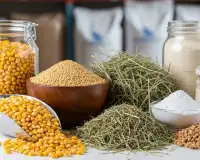
- Sunflower Meal: Stands out with its high protein and fiber content. However, it is not as rich in lysine amino acid as soy.
- Canola Meal: Its protein content is close to soybean meal and it has a good amino acid profile. It is a valuable alternative for sulfur-containing amino acids (methionine) and lysine.
- Corn Gluten Feed/Meal (DDGS - Distillers Dried Grains with Solubles): A by-product remaining after ethanol production from corn. It is high in protein and energy but may be deficient in lysine and tryptophan.
- Legumes (Peas, Faba Beans, Vetch, Lupin): Contain high protein and starch. However, some types may contain anti-nutritional factors (tannins, trypsin inhibitors), which can affect digestibility. Heat treatment or appropriate processing methods can reduce these factors.
- Cottonseed Meal: Contains protein and fat. However, due to its gossypol content, the amount used may be limited, especially in young animals.
2. Animal Protein Sources (Uses and Limitations)
Although these sources offer high-quality protein, their use is subject to legal regulations and is restricted in most countries, especially in ruminants, due to risks such as "mad cow disease."
- Fish Meal: A high-quality, highly digestible protein source. Particularly rich in omega-3 fatty acids and has a good amino acid profile.
- Blood Meal: Has a high protein content, but its amino acid balance and digestibility are variable.
3. Single-Cell Proteins (SCP) and Next-Generation Sources
- Yeast Protein (Brewer's Yeast, etc.): Contains high-quality protein, B vitamins, and nucleotides. Has immune-supporting properties.
- Algae Protein: A promising, sustainable source with high protein content. However, production costs may still be high.
- Insect Proteins: Being researched as a sustainable and high-protein alternative. Holds potential, especially in poultry and fish feeds.
4. Synthetic Amino Acids: The Key to Soy-Free Rations
Perhaps the most critical role in soy-free feed formulations is played by **synthetic amino acids**. When soybean meal is removed from the ration, deficiencies can arise, particularly in essential amino acids like **lysine, methionine, threonine, and tryptophan**. These deficiencies can be corrected by adding them in synthetic form to the ration. This allows for:
- The use of lower-protein and cheaper alternative raw materials.
- Full satisfaction of animals' amino acid requirements, preventing yield loss.
- Reduced nitrogen excretion, lowering environmental impact.
Considerations for Soy-Free Ration Formulation
When preparing a soy-free feed ration, it is necessary to focus not only on the protein quantity but also on the quality of the protein and the balance of other nutrients:
- Amino Acid Balance: This is the most important factor. The amino acid profiles of alternative protein sources should be well analyzed, and deficiencies should be supplemented with synthetic amino acids.
- Digestibility: The digestibility of new raw materials may not be as high as soy. This can affect feed utilization and animal performance. Enzyme additives can increase digestibility.
- Anti-Nutritional Factors: Anti-nutritional factors present in some alternative sources (e.g., trypsin inhibitors, lectins, tannins) can adversely affect animal health and nutrient absorption. These effects can be reduced by processing methods (heat treatment) or additives.
- Palatability and Feed Intake: The taste and smell of new raw materials can affect animal feed intake. Transitions should be gradual, and feed intake should be closely monitored.
- Cost/Benefit Analysis: The total cost (raw materials, additives, processing) of the soy-free ration and its impact on animal performance should be carefully calculated. Sometimes, a soy-free ration can be more expensive than a soy-containing one.
- Quality Control: The nutritional values and quality of all raw materials used should be regularly analyzed.
Conclusion: An Approach Requiring Expertise and Flexibility
Soy-free feed formulations are a feasible and sustainable option that is becoming increasingly important in modern animal husbandry. However, this transition requires careful planning, detailed nutrient analysis, and expertise. By seeking support from an animal nutrition specialist or veterinarian, you can formulate the most suitable soy-free rations according to your operation's specific needs and your animals' species. This approach will contribute to environmental sustainability and secure the future of your operation by optimizing your feed costs.
What are your thoughts on soy-free feed formulations? Share your experiences and questions with us in the comments!