Step-by-Step Feed Ration Preparation: Create the Best for Your Animals
Learn how to prepare the appropriate feed ration for your animals step by step. A comprehensive guide that includes practical information on determining animal needs, identifying raw feed materials, adjusting ratios, mixing, and monitoring.

Step-by-Step Feed Ration Preparation: Create the Best for Your Animals
Proper nutrition plays a major role in the health and productivity of your animals. At the core of this proper nutrition lies feed ration preparation. The feed ration is a nutrition program that determines the quantity and proportions of feeds provided to meet the animal's needs during a specific time period (growth, milk production, pregnancy, etc.). So how can you prepare these rations step by step? Here is a practical guide!
1. Step: Determining Animal Needs
The first and most important step in preparing feed rations is understanding the specific needs of the animal you will be feeding. This depends on several factors:
- Animal type and breed: The needs of cows differ from those of sheep. Similarly, dairy cows and beef calves require different nutrients.
- Age and weight: Young and growing animals have higher energy and protein requirements than adults.
- Physiological state:
- Growth: High protein and energy for rapid muscle and bone development.
- Pregnancy: Additional nutrients for fetal development.
- Lactation (milk production): High requirements for energy, protein, and minerals.
- Fattening (meat production): Aimed at high energy and protein with rapid weight gain.
- Dry period: Animal rest and adaptation for the next lactation or breeding cycle.
- Production goal: Is the goal high milk production, rapid weight gain, or a healthy breeding cycle?
- Climate conditions: Cold weather can increase animals' energy needs.
After gathering this information, you can determine the amount of dry matter, crude protein, energy, minerals, and vitamins the animal needs daily. These values are usually found in animal nutrition books or tables provided by specialists.
2. Step: Identifying Available Raw Feed Materials
Knowing the feeds you will use forms the basis of the feed ration. Divide your feeds into two main groups: roughages and concentrates.
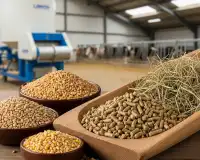
- Roughages: Hay, straw, silage (corn silage, alfalfa silage, etc.), alfalfa, vetch. These feeds are generally rich in fiber and essential for animal digestive health.
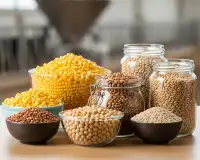
- Concentrates: Grains (corn, barley, wheat, oats), oilseed meals (soybean meal, sunflower meal, cottonseed meal), legumes, commercial compound feeds. These feeds are rich in energy and protein.
It is essential to know the nutritional values (dry matter, crude protein, energy, minerals, etc.) of each feed. You can obtain this information by conducting feed analyses or using general nutritional value tables.
3. Step: Determining Feed Ration Proportions
Once you have determined the animal's needs and the nutritional values of the raw feed materials, move on to calculating the amount of each feed to provide. This is the mathematical part of feed ration preparation.
- Balance of roughages / concentrates: In ruminants, the proportion of roughages should generally be higher (between 40-70%, varying by condition). This ratio is vital for animal digestive health.
- Energy and protein balance: Feeds must be balanced to meet the animal's energy and protein needs. For example, high-producing dairy cows need more energy and protein.
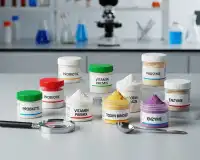
- Minerals and vitamins: Mineral and vitamin premixes are usually used as feed supplements. The dosage of these supplements is also adjusted according to the animal's needs.
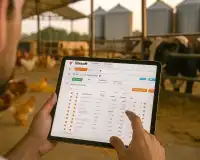
These calculations can often be done using simple methods like the "Pearson square method" or more advanced feed ration optimization software (computer programs). For beginners, it is best to start with small trials and expert advice.
4. Step: Mixing and Providing the Feed Ration
Properly providing the prepared feed ration to your animals is also important:
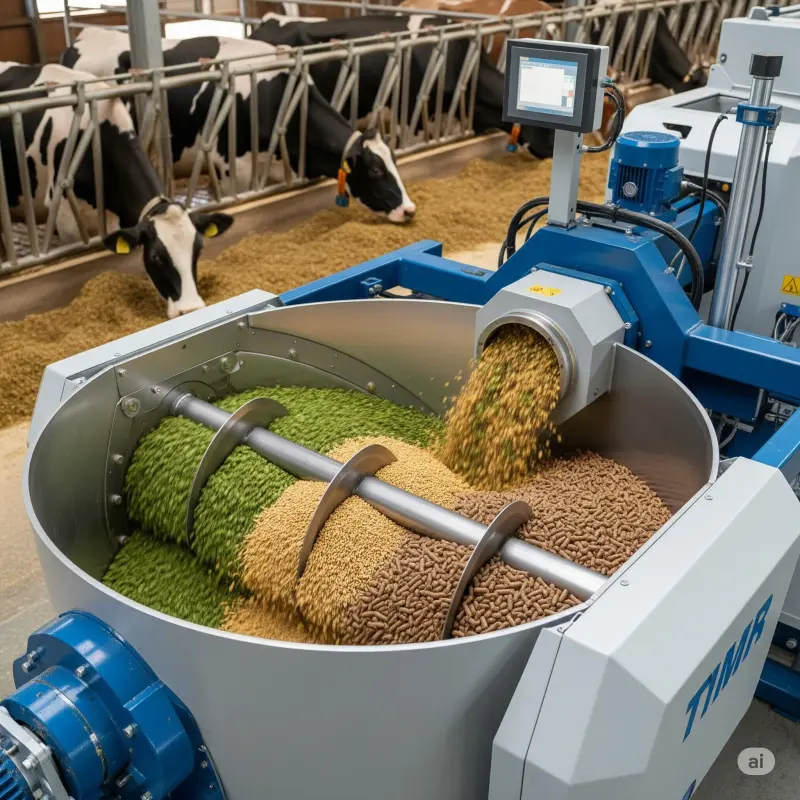
- Mixing: Homogeneous mixing of all raw feed materials ensures the animal gets the same nutritional value with every bite. Feed mixers or simple manual methods can be used for this purpose.
- Feeding frequency: The daily ration is usually divided into several meals. This reduces the burden on the animal's digestive system and allows for better feed utilization.
- Water: Free access to clean, fresh water is vital for the effectiveness of the feed ration. Water is essential for digestion and metabolism.
5. Step: Monitoring and Making Adjustments
After starting to implement the prepared feed ration, careful monitoring of your animals is of utmost importance.
- Consumption: Are the animals consuming the feed with appetite? Are there any feed refusals?
- Body condition: Are the animals gaining or losing weight? Are they maintaining ideal condition?
- Health status: Are there any signs of digestive problems (diarrhea, bloat) or metabolic diseases?
- Productivity: Is milk production, weight gain, or reproductive performance at the target level?
Based on these observations, you may need to make adjustments to the feed ration. For example, if animals are not gaining sufficient weight, energy or protein content can be increased. If there are digestive problems, the proportion of roughages can be increased.
---Applications and Practical Tips
- Start small: If you are preparing feed rations for the first time, gain experience with a small group of animals or simpler rations.
- Feed quality: The quality of your feeds is very important. Moldy or spoiled feeds negatively affect animal health.
- Specialist support: Especially for commercial operations or complex rations, seeking support from a veterinarian or animal nutrition specialist is the most appropriate approach for animal health and economic efficiency. They can provide the latest information and the most suitable ration programs.
- Record keeping: Recording any ration provided to any group of animals, in what quantity, and how the animals responded will be a valuable data source for your future ration planning.
Remember, preparing feed rations is an art and requires continuous learning. By considering the individual needs of each animal and continuous monitoring, you can create the most suitable nutrition program for your animals.