For Beginners: Ratio of Green Forage and Concentrated Feeds – Key to Proper Animal Nutrition
For beginners in animal husbandry, understanding the importance of green forage and concentrated feed ratios. Learn proper nutrition strategies and typical raw feed materials for healthy and high-producing animals.

For Beginners: Ratio of Green Forage and Concentrated Feeds – Key to Proper Animal Nutrition
For beginners in the field of animal husbandry, nutrition can be one of the most complex topics. Especially understanding the concepts of "green forage" and "concentrated feeds" and their correct ratios forms the basis for owning healthy and productive animals. So what are green forages and concentrated feeds, and how should we feed our animals?
What is Green Forage?
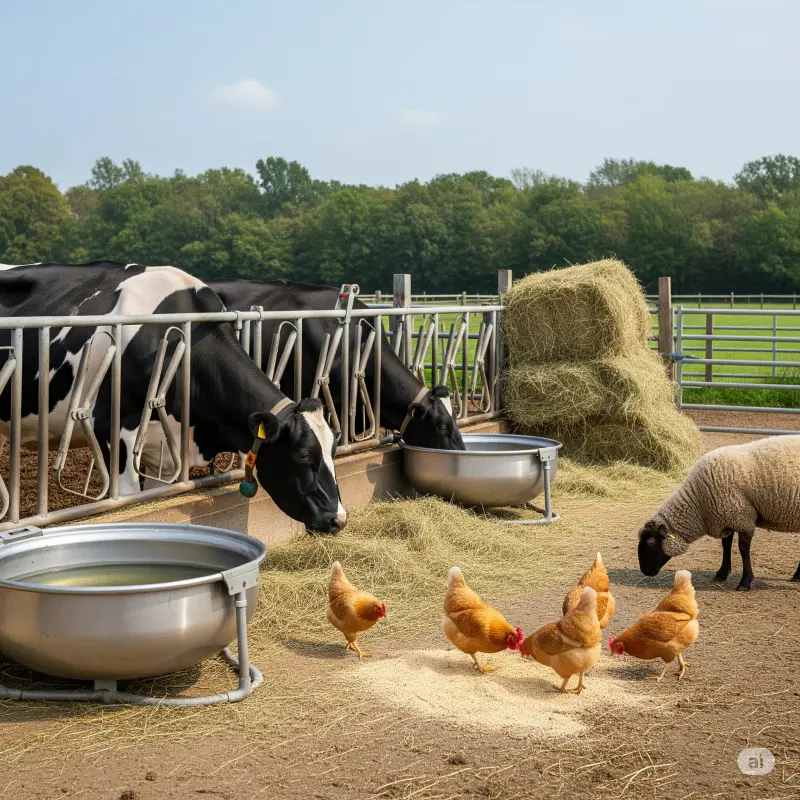
Green forage refers to fibrous feeds that are crucial for the animal's digestive system. These feeds, which are generally bulky and slow to digest, ensure proper rumen function in ruminants (such as cows, sheep, and goats). Green forages help animals feel full and are essential for the regular operation of their digestive system.
Main sources of green forage include:
- Grass: Dried or fresh grasses grown in pastures or fields.
- Straw: Dry stems left after grain harvest. It has low nutritional value but is a good source of fiber.
- Silage: High-nutritional-value green feed obtained by fermenting green forage in an anaerobic environment (such as corn silage, alfalfa silage).
- Alfalfa (clover): A perennial legume feed rich in protein.
- Vetch (faba bean): A protein-rich forage plant, often grown with grains.
What are Concentrated Feeds?
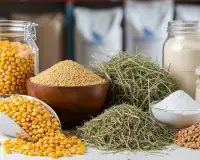
On the other hand, concentrated feeds are less bulky but denser in energy, protein, vitamins, and minerals compared to green forages. They are used to meet specific needs such as rapid growth, milk production, meat production, or improved reproductive performance. Concentrated feeds typically consist of grains, oilseed meals, and some added supplements.
Main sources of concentrated feeds include:
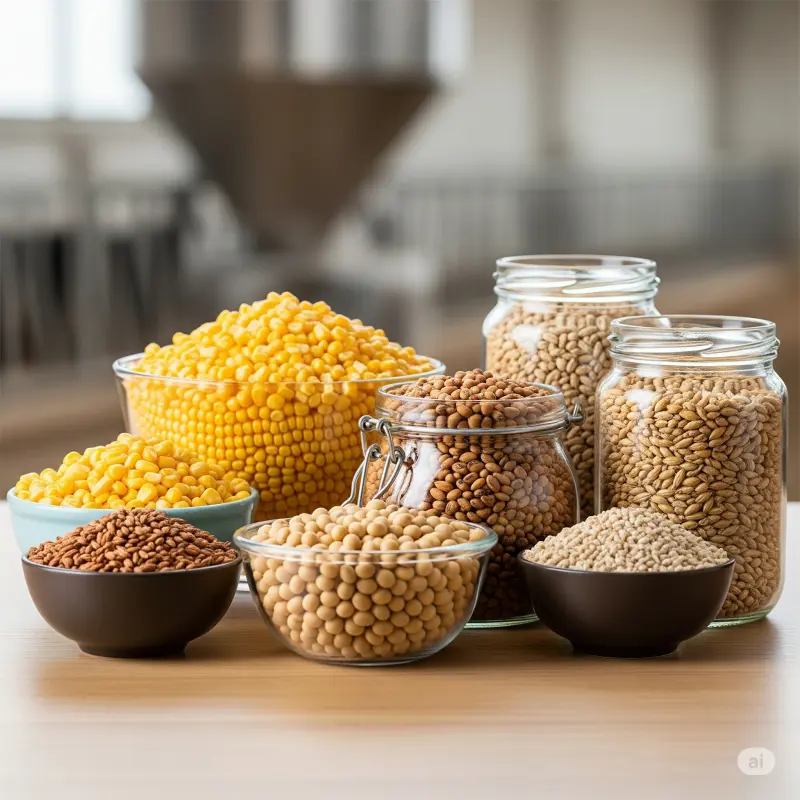
- Grains: Energy-rich sources like corn, barley, wheat, and oats.
- Oilseed meals: Protein-rich sources like sunflower meal, soybean meal, and cottonseed meal.
- Legumes: Feeds containing protein and energy, such as lentils and chickpeas.
- Compound feeds: Commercial feeds, usually in pellet or powder form, prepared by mixing various green and concentrated feeds in specific ratios according to the animal's needs.
Why is the Correct Ratio So Important?
In animal nutrition, the ratio between green forage and concentrated feeds must be carefully adjusted according to the type of animal, its age, physiological state (growth, lactation, pregnancy, etc.), and production goals. Determining this ratio correctly is crucial for the animal's health, digestive system functions, and overall performance.
- Green forage deficiency: Insufficient intake of green forage can lead to digestive problems like rumen acidosis, especially in ruminants. This reduces the animal's appetite, causes digestive disorders, and leads to long-term performance losses.
- Concentrated feeds deficiency: Insufficient concentrated feeds means the animal's energy and protein needs are not met. This leads to issues like stunted growth, reduced milk production, and poor reproductive performance.
- Excess concentrated feeds: Excessive consumption of concentrated feeds can also cause digestive problems, particularly rumen flora disturbances and metabolic diseases. It also increases costs.
How to Determine the Green Forage / Concentrated Feeds Ratio?
As a general rule, the green forage ratio in rations for ruminants should be higher. For example, in dairy cows, this ratio can vary depending on the lactation period and production level. While a green forage-rich diet is more suitable for the dry cow, a high-producing lactating cow may need more concentrated feeds.
Here are some examples:
- Growing calves: They need a balanced ratio of green forage and concentrated feeds to achieve high growth rates and muscle development. Starting with more green forage and gradually increasing the concentrated feeds ratio as they age can be beneficial.
- Dairy cows: As milk production increases, the cow's need for energy and protein also increases. In this case, the amount of concentrated feeds in the diet is increased, while paying attention to the quality of green forage.
- Sheep and goats: Generally, they may not need as much concentrated feeds as cows, but concentrated supplements are important during pregnancy and lactation.
Since each animal's needs differ, it is best to seek support from a veterinarian or animal nutrition specialist to determine the most accurate ratio. They can create a customized nutrition plan for you, taking into account your animals' age, type, health status, and production goals.
Example of Raw Materials and Nutrient Values
The table below shows the general nutritional values of some common raw materials for green forage and concentrated feeds. These values may vary depending on growth conditions and harvest time.
| Feed Type | Example of Raw Material | Dry Matter (DM) % | Crude Protein (CP) % | Metabolizable Energy (ME) Kcal/kg (approx.) |
|---|---|---|---|---|
| Green Forages | High-quality hay | 90 | 8-12 | 1800-2200 |
| Corn silage | 30-35 | 7-9 | 2300-2600 | |
| Alfalfa hay | 90 | 16-20 | 2000-2400 | |
| Wheat straw | 90 | 3-5 | 1400-1600 | |
| Concentrated Feeds | Barley | 88 | 10-12 | 2900-3100 |
| Corn | 88 | 8-10 | 3200-3400 | |
| Soybean meal | 90 | 44-48 | 2800-3000 | |
| Sunflower meal | 90 | 32-36 | 2400-2600 |
Conclusion
The ratio of green forage and concentrated feeds is the cornerstone of animal nutrition. Understanding and applying these ratios correctly directly impacts your animals' health, welfare, and productivity. Remember that every animal has individual needs, and seeking help from an expert is always the smartest approach to achieving the best results. By properly feeding your animals, you can succeed in your animal husbandry adventure!