Practical Feed Preparation: The Most Efficient Nutrition for Your Animals
Practical guide to preparing feed rations for your animals. Tips for reducing feed costs, maintaining animal health, and increasing productivity. Applying the correct ration and points to consider.

Practical Feed Preparation: The Most Efficient Nutrition for Your Animals
Animal nutrition is not just theoretical knowledge; it also requires practical applications and a daily routine. In our previous article, "Ration Preparation Step by Step", we discussed the basic principles. Now, we will focus on how to apply this knowledge practically on your farm. Practical feed preparation directly affects the health and productivity of your animals, while also helping you improve feed costs.
1. Step: Know Your Feed Stock and Store It Properly
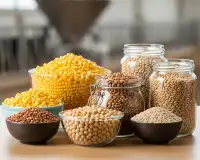
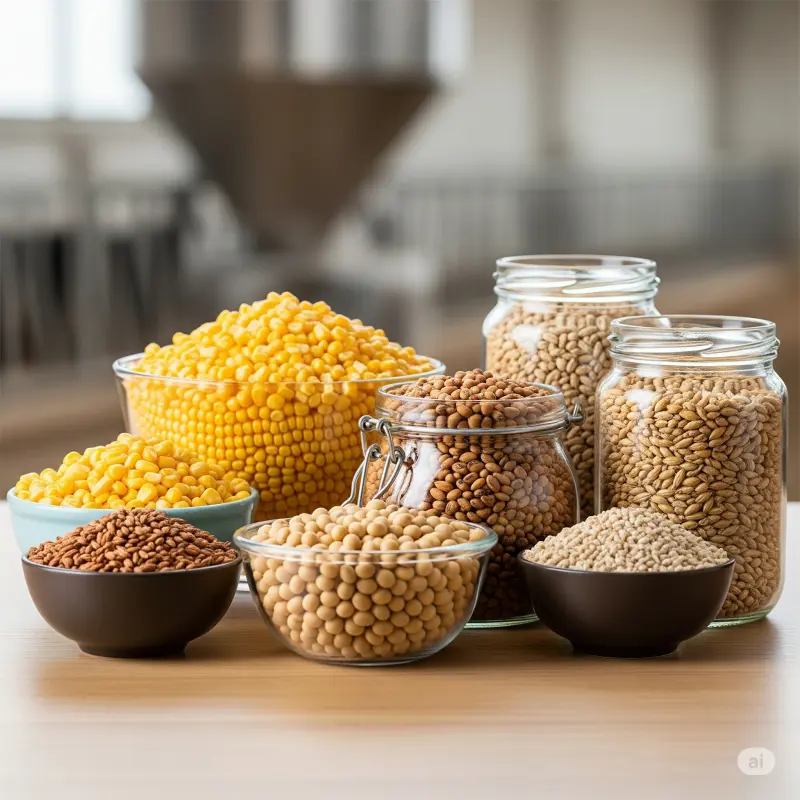
The first step in practical feed preparation is to fully know the raw materials for the feeds you have. It is important to understand not only their types, but also their quality and nutritional values. Conducting feed analyses will provide you with the most accurate information. Proper feed storage is also extremely important:
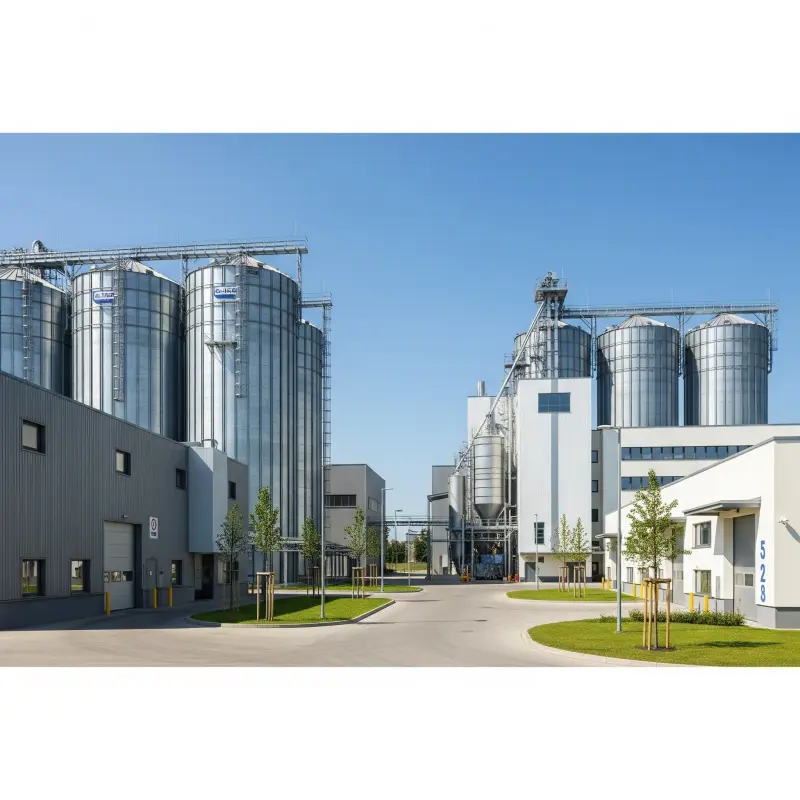
- Dry and well-ventilated areas: Store feeds in dry, cool, and well-ventilated storage areas to protect them from moisture, mold, and pests.
- Separate storage: Store different types of feeds (roughage, concentrates) separately. This prevents confusion and maintains feed quality.
- First In, First Out (FIFO): During storage, ensure that the feed received first is consumed first. This helps you keep the feeds fresh.
2. Step: Use the Right Equipment
To facilitate the feed preparation process and increase its accuracy, you will need some basic equipment:
- Scale: A precise scale is essential for accurately measuring feed ratios. Smaller capacity scales can be preferred for small ruminants, and larger capacity scales for cows.
- Measuring cups: Measuring cups are useful for liquid supplements or small quantities of feed.
- Feed mixer (optional): For large herds, feed mixers provide great convenience for obtaining a homogeneous mixture. In small operations, mixing can also be done using a shovel and manual labor, but attention must be paid to homogeneity.
- Clean troughs: Regular cleaning of the troughs in which feeds are presented is of utmost importance for hygiene and animal health.
3. Step: Mix and Serve the Ration Accurately
It is equally important to mix the feed ingredients accurately in the correct proportions as it is to serve this mixture correctly to the animals:
- Homogeneous mixture: Ensure that all raw feed materials are evenly distributed. This is crucial to prevent selective feeding by animals and to ensure they receive balanced nutrients with every bite.
- Feeding frequency: Instead of serving the daily ration all at once, dividing it into several meals eases the animal's digestive system and allows for better feed utilization. This is more important for high-producing animals.
- Access to water: Free access to clean and fresh water is essential for ration effectiveness. No matter how good the feed is, animals cannot perform optimally without sufficient water. Regular cleaning of drinking troughs should also not be forgotten.
- Trough filling: Be careful not to overfill or underfill the troughs. Overfilled troughs can lead to feed waste, while empty troughs can cause stress on animals and malnutrition.
4. Step: Continuous Monitoring and Adjustment
Once the ration is prepared and served to your animals, the work does not end. The real practical application is continuously monitoring the animals' response to the ration:
- Feed consumption: Are the animals consuming the feed with appetite? Is there any leftover feed? If there are leftovers, it means either the quantity is too much or the ration is unpalatable to the animal.
- Body condition: Regularly check your animals' body condition scores. Excessive weight loss or gain may indicate a problem with the ration.
- Feces examination: The consistency and appearance of feces provide important indicators about digestive health. Digestive disorders (diarrhea, constipation) may indicate that the ration needs adjustment.
- Performance tracking: Regularly track your production goals such as milk production, daily weight gain, or reproductive performance. Deviations from targets indicate that changes to the ration are needed.
- Behavioral changes: Monitor the general behavior of the animals. Lethargy, loss of appetite, or abnormal behaviors can be symptoms of a health problem or imbalance in the ration.
As a result of these observations, do not hesitate to make small or large adjustments to the ration. Animal needs can change with seasons, age, or physiological condition.
Practical Tips and Common Mistakes
- Avoid sudden changes: If you are making major changes to the ration, do so gradually over several days or weeks. Sudden feed changes can lead to digestive problems.
- Water quality: Water quality is as important as the feed. Always provide animals with clean and fresh drinking water.
- Cost management: Feed costs are one of the largest expense items in livestock operations. Try to create the most cost-effective ration by tracking available feed sources and market prices.
- Specialized support: Especially for beginners or those facing complex problems, regular support from a veterinarian or animal nutrition specialist is the most appropriate approach for animal health and economic efficiency.
- Record keeping: Regularly recording when you applied any ration, animal responses, and performance results leads to creating a valuable database for your future nutrition strategies.
Practical feed preparation is an ongoing process that requires learning and adaptation. By carefully monitoring your animals and applying the knowledge you acquire, you can ensure they live a healthy and productive life, while at the same time increasing the success of your business.