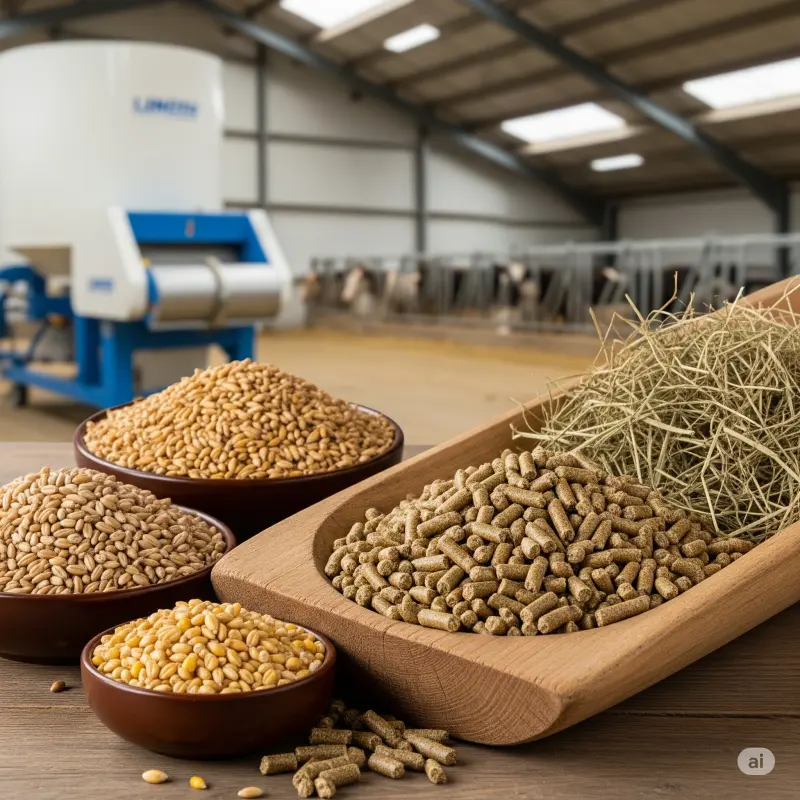
Preparing Feeds Using a Feed Mixer: Boost Efficiency on Your Farm
Learn how to prepare homogeneous and balanced rations (TMR) for your animals using a feed mixer. A step-by-step guide and tips to increase efficiency.

Preparing Feeds Using a Feed Mixer: Boost Efficiency on Your Farm
In animal husbandry, productivity and animal health are directly linked to proper nutrition. Especially in large herds or commercial operations, it is essential to ensure that animals receive the same nutritional value with every bite. This is where **feed mixers** come into play. Feed mixers allow you to prepare balanced rations by homogeneously mixing different raw feed materials to meet all the nutritional needs of your animals. So, how does the feed preparation process work using a feed mixer, and what should you pay attention to?
What is a Feed Mixer and Why is it Important?
A feed mixer is an agricultural machine that enables the preparation of a homogeneous feed called **Total Mixed Ration (TMR)**, ready to be served to the animals, by mixing various roughages, concentrates, minerals, and vitamins in specific proportions. These machines are capable of weighing, chopping (roughages), mixing, and discharging feeds accurately.
Importance of the Feed Mixer:
- Homogeneous Mixture: Ensures excellent mixing of feeds, preventing selective eating by animals and ensuring they get the same nutritional value with every bite. This prevents digestive problems and nutrient deficiencies.
- Increased Productivity: Thanks to balanced nutrition, animal productivity in milk, meat, or reproduction increases.
- Digestive Health: Providing roughages and concentrates together supports rumen health and reduces the risk of metabolic problems like acidosis.
- Reduced Feed Waste: Ensures better feed utilization and reduces waste.
- Labor Savings: Much faster and easier than manual mixing.
Steps for Preparing Feeds Using a Feed Mixer
To prepare effective feed using a feed mixer, follow these steps carefully:
1. Step: Determine the Ration Composition
First, determine the type of animals you will feed (dairy cow, fattening calf, sheep, etc.), their age, weight, and production goals (milk production, daily live weight gain, etc.). Work with a veterinarian or animal nutrition specialist to create the most suitable **ration composition** for your animals' needs. This composition should precisely specify the amount (in kilograms) of each raw feed material you will use.
2. Step: Prepare the Raw Feed Materials
Prepare all the roughages, concentrates, minerals, and vitamins you will use in your ration. Ensure their quality and never use spoiled or moldy feeds.
- Roughages: Ensure that roughages like silage, dry hay, and straw are of appropriate size for the machine. Although some machines have built-in chopping blades, pre-chopping the feeds can improve homogeneity.
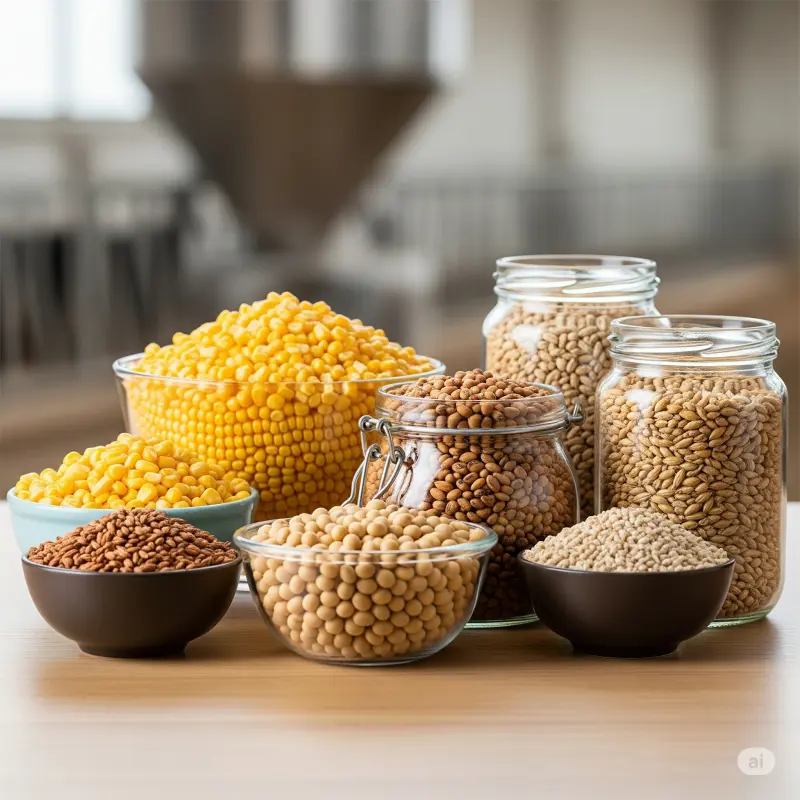
- Concentrates: Prepare concentrates like grains (corn, barley) and meals (soybean, sunflower) for measurement.
- Pre-mixed Minerals and Vitamins: Prepare these additives in the correct quantities using precise scales.
3. Step: Loading Order of Feeds into the Machine
Loading feeds into the mixer in a specific order ensures better mixing quality and machine efficiency:
- Roughages First: Generally, long-fiber roughages (straw, dry hay) are loaded first. This allows the machine's blades or augers to break down the feeds and prepare them for mixing with other feeds.
- Then Silage: Silage is added on top of the straw and hay. The moist nature of silage helps mix the other dry feeds.
- Concentrates: Then concentrates like grains and meals are added.
- Minerals and Vitamins (Last): Minerals, vitamins, and other small additives should be added last. This ensures their homogeneous distribution. Some machine models may recommend a different loading order; check your machine's user manual.
After adding each type of feed, allow the machine to mix for a short period, which contributes to homogeneity.
4. Step: Mixing Time and Speed
Adequate mixing time and correct speed are important to ensure thorough and homogeneous feed mixing. Generally, 5-15 minutes may be sufficient, depending on the machine's capacity and feed type. Overmixing can lead to degradation of the feed structure, while insufficient mixing will not ensure homogeneity.
5. Step: Serving the Ration to the Animals
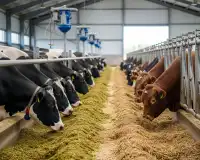
Distribute the prepared Total Mixed Ration (TMR) evenly and regularly in the feed bunks. Ensure the bunks are clean and animals can easily access the feed. Also, set feeding times during the day and the number of meals to be provided according to your animals' needs.
Practical Tips and Points to Consider
- Weight Accuracy: Ensure every raw feed material is **weighed accurately** according to its quantity in the composition. If the mixer has its own weighing system, calibrate it regularly.
- Machine Maintenance: Regularly inspect and maintain the feed mixer's blades, auger condition, and general mechanical parts. This extends the machine's life and ensures efficient operation.
- Feed Quality: No matter how good the machine is, using high-quality raw feed materials always produces the best results. Avoid moldy, spoiled, or old feeds.
- Water Supply: No matter how balanced the ration is, remember that animals must have access to clean, fresh water.
- Monitoring and Adjustment: After preparing the ration, continuously monitor the animals' feed intake, body condition, manure, and overall health. Make adjustments to the ration composition or feeding schedule if necessary.
- Specialized Support: For complex rations or large herds, regular support from an animal nutrition specialist is very beneficial for both setting up a proper nutrition program and preventing potential problems.
A feed mixer, when used correctly, can make a big difference in animal nutrition. By improving the ration preparation process, you can enhance your animals' health and productivity and contribute to the economic success of your farm.